Thinking about selling your home in Ellsworth? A few focused steps now can set you up for fewer surprises, stronger offers, and a smoother closing. The local market has shifted from the rapid pace of recent years, so preparation and smart timing make a real difference. In this guide, you’ll get a clear, Maine-specific checklist, a quick market snapshot, the required disclosures, and a launch timeline tailored to Ellsworth. Let’s dive in.
Ellsworth market snapshot
The City of Ellsworth’s housing study reports that median sale prices rose sharply from 2020 through 2023, with Ellsworth moving from roughly $250–$300K in 2021 to the mid-$300Ks to $400K range by 2023, before conditions began to cool in early 2024. You can review the city-commissioned data in the Ellsworth Housing Study. County-level portals show higher figures due to coastal and second-home influences, with early 2026 snapshots ranging from the low $400Ks to the mid $500Ks depending on whether they measure list or sold prices and the time window.
What matters for you: use recent, hyper-local MLS comparables to set price, not just county medians. A short consultation and a custom comparative market analysis will reflect your neighborhood, condition, size, and recent activity far better than broad averages.
Step-by-step prep checklist
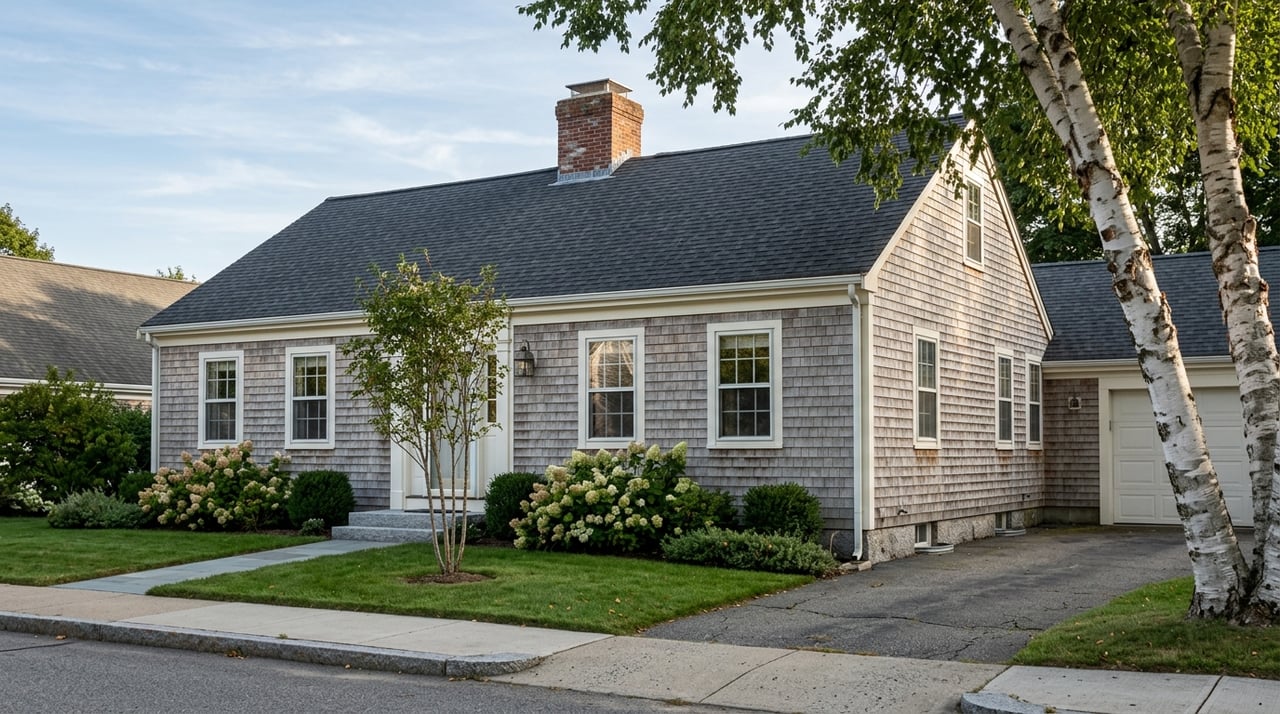
1) Boost curb appeal first
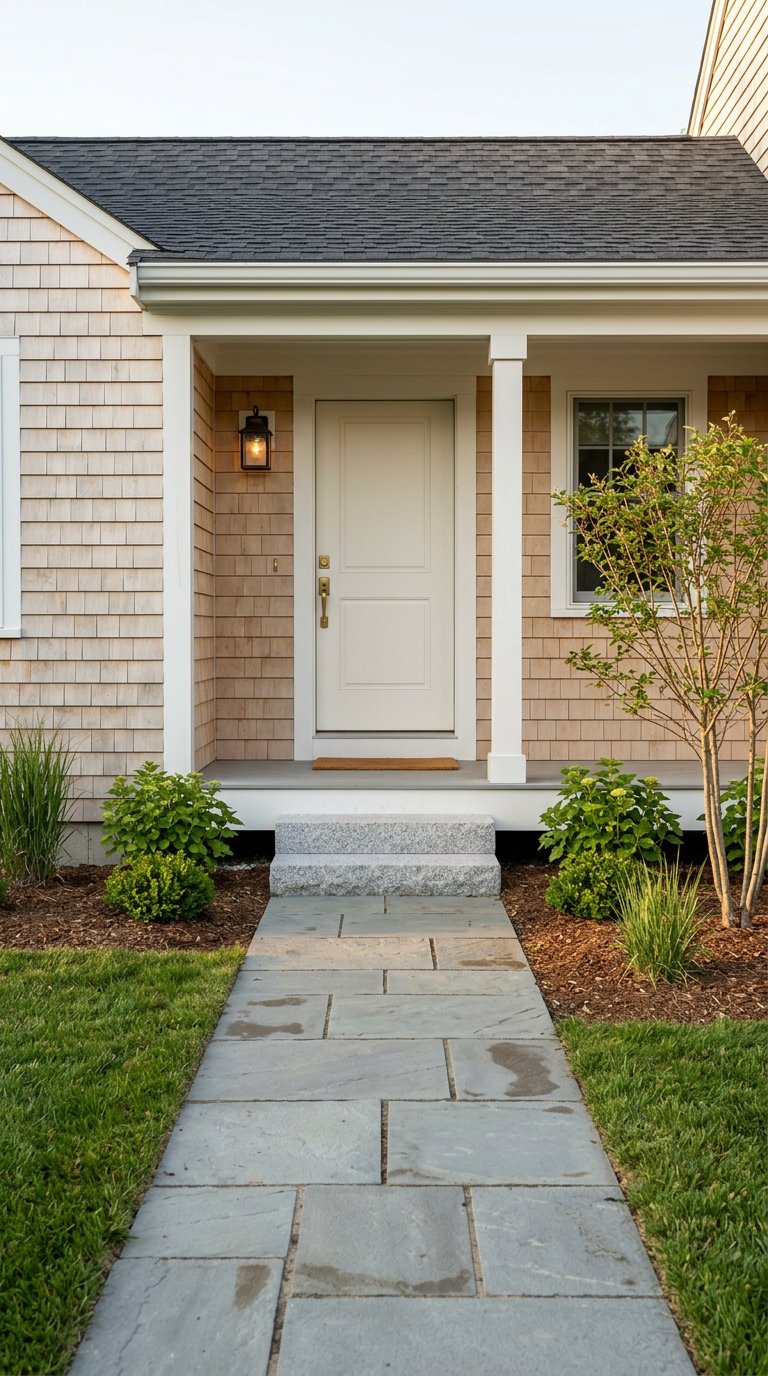
- Mow, edge, and remove debris. Touch up paint on the front door and trim.
- Add simple seasonal plantings and a clean welcome mat.
- Aim to capture exterior photos in spring or early summer when landscaping pops. Strong curb appeal can reduce time on market.
2) Declutter, deep clean, and neutralize
- Clear counters, pare down decor, and remove personal photos.
- Deep clean floors, kitchens, baths, and windows; brighten rooms by opening curtains.
- Create a simple staging plan for the kitchen, living room, and primary bedroom. Professional photos and a virtual tour help reach remote buyers who shop online first across Maine.
3) Fix sale-blocking defects
- Roofing: repair leaks, missing shingles, and flashing. Winters can accelerate wear.
- Heating: service your furnace or boiler and gather recent service receipts.
- Chimney/wood-stove: schedule a sweep and, if available, obtain a safety inspection certificate.
- Electrical: address unsafe wiring, outdated panels, or loose breakers.
- Plumbing: fix slow drains, leaks, and water stains. If on a well, have recent bacteria and nitrate test results ready.
4) Septic and well specifics in Maine
- Collect septic and well documents: system design and servicing records, including any HHE-200, HHE-234, and HHE-240 forms, plus pump and repair invoices. The Ellsworth housing study and state guidance recommend gathering these ahead of listing.
- If the property is in the shoreland zone, Maine law requires a certified septic inspection before purchase, with a weather exception allowing up to 9 months after closing. Sellers must disclose known malfunctions within the prior 180 days. Review the statute in Title 30-A §4216.
- For private wells, Maine practice recommends testing for bacteria and nitrates at a minimum, and often arsenic, radon in water, and PFAS where concerns exist. If you have prior results, keep them handy.
5) Prepare safety and environmental disclosures
- Lead-based paint: for homes built before 1978, federal law requires you to provide the EPA/HUD pamphlet and disclose known hazards. Learn more from the EPA lead disclosure rule.
- Radon: Maine includes radon in its real estate disclosure topics. Be ready to share any known test results, and consider a pre-listing test to avoid late negotiations. See Maine’s radon disclosure information.
6) Consider a pre-listing inspection
- A pre-listing home inspection, plus targeted septic and well tests where applicable, can surface issues early and reduce renegotiation risks.
- Sharing recent, reputable reports may shorten contingency periods and help buyers move forward with confidence.
7) Prep your marketing package
- Order professional photos, a virtual tour, and a measured floor plan.
- Create a one-page property sheet that summarizes system ages and service dates, heating type and fuel, septic/well details, any recent inspections, and permits.
- If your home’s location offers access to Acadia or coastal recreation, highlight that for second-home buyers while keeping descriptions factual and neutral.
Timing your launch
Ellsworth’s buyer pool includes local year-round buyers and seasonal second-home shoppers. National analyses often point to a strong spring listing window, especially around mid-April, when demand tends to rise and competition is lighter. Locally, late spring into early summer also captures vacation and second-home interest, especially as Acadia’s visitation climbs. Plan photography for peak curb appeal and consider traffic and parking during peak tourist periods when scheduling showings and open houses.
Maine disclosures and documents to have ready
Maine law requires a written property disclosure for residential 1–4 units. Having your paperwork organized before you list saves time and reduces back-and-forth later.
- Property disclosure: Maine Revised Statutes Title 33 §173 outlines required topics such as water supply, heating system details and age, waste disposal system, hazardous materials (including radon and lead), known defects, access, and certain flood information. Buyers must receive this by the time they make an offer.
- Shoreland septic rule: If the property is in the shoreland zone, buyers must obtain a certified septic inspection before purchase; sellers must disclose malfunctions within the prior 180 days. See Title 30-A §4216.
- Lead-based paint: For pre-1978 homes, provide the EPA/HUD pamphlet and disclose known lead hazards. More at the EPA lead disclosure rule.
- Radon: Disclose known radon results and consider providing educational material. See the state’s radon disclosure information.
- Septic and well records: Gather HHE-200/HHE-234/HHE-240 forms if available, installation dates, pump logs, repair invoices, and municipal permits.
- Title, deed, and tax info: Confirm your deed and any recorded easements or road association details. The Hancock County Register of Deeds in Ellsworth is the recording office; find access information at the Hancock County Register of Deeds page.
Pricing and marketing strategy that works here
- Price with local comps: Ellsworth values can differ from countywide medians influenced by higher-priced coastal towns. Use recent MLS comparables that match your home’s size, condition, and setting.
- Lead with clarity: Prominently share heating system type and service dates, septic or sewer status, well test dates, and any recent inspection reports. Clear, factual details reduce buyer uncertainty.
- Invest in visuals: High-quality photos, a virtual tour, and a floor plan drive engagement, particularly for out-of-area buyers.
- Highlight location facts: If relevant, note proximity to services in Ellsworth or regional attractions like Acadia in neutral terms that inform, not promote.
A simple 6-step timeline
- 8–12 weeks out: Gather deeds, tax card, and septic/well records (HHE-200/HHE-234/HHE-240 if available). Schedule roof, heat, chimney, and electrical servicing. Decide on pre-listing inspections. Begin decluttering and small repairs.
- 4–6 weeks out: Complete repairs and safety fixes. Neutral paint touch-ups. Confirm staging plan. Book professional photography and floor plan. Aim for spring or early summer visuals.
- Listing week: Launch on MLS, share to major portals via your brokerage’s systems, consider broker previews and open houses as advised. Monitor early feedback and adjust quickly if showings lag.
- Under contract: Expect buyer inspections, appraisal, and title review. Provide all required Maine disclosures promptly. For shoreland properties, plan for the certified septic inspection timeline.
- Pre-closing: Confirm final utility reads. Ensure the deed and transfer tax declaration are ready for recording at the Hancock County Registry of Deeds.
- Moving week: Final clean, remove remaining items, and leave manuals, keys, and codes per agreement.
Avoid these common pitfalls
- Missing septic/well records: Lack of HHE forms or pump logs slows buyer diligence and can weaken offers.
- Late discovery of lead or radon results: Unshared or unknown results often trigger delays or credits. Test and disclose early when practical.
- Mispricing from broad medians: County snapshots can overstate Ellsworth values. Use neighborhood-level comps and current condition data.
- Weak visuals: Dark or cluttered photos cause buyers to scroll past your listing online.
Local resources and further reading
- City market context: Review the Ellsworth Housing Study.
- Maine property disclosure statute: Title 33 §173.
- Shoreland septic transfer rules: Title 30-A §4216.
- Maine radon disclosure info: DHHS radon page.
- Federal lead disclosure: EPA lead rule and pamphlet.
- Hancock County Register of Deeds: Recording and records access.
Ready to sell with confidence
A smooth sale in Ellsworth comes from solid preparation, smart pricing, and clear disclosures. Start by gathering your records, tackling high-impact fixes, and timing your launch for maximum visibility. If you want a custom plan, proven marketing, and steady guidance from pricing through closing, connect with Laura Pellerano.
FAQs
What documents should I gather before listing in Ellsworth?
- Collect your Maine property disclosure, any HHE septic forms and pump logs, well test results, heating system service records, permits, deed, and any recorded easements.
How do Maine’s shoreland rules affect my sale?
- If your property is in the shoreland zone, the buyer must obtain a certified septic inspection before purchase (with a weather exception); sellers must disclose malfunctions within 180 days per Title 30-A §4216.
Do I need to provide lead paint information for older homes?
- For homes built before 1978, you must provide the EPA/HUD lead pamphlet and disclose known hazards; buyers receive a statutory inspection window unless waived under the EPA lead disclosure rule.
Should I test for radon or well water before listing?
- Maine includes radon in real estate disclosures; sharing recent results reduces late negotiations. For private wells, recent bacteria and nitrate tests are a good baseline, with arsenic, radon in water, and PFAS where concerns exist.
When is the best time to list in Ellsworth?
- Spring, especially mid-April, often balances stronger demand with fewer competing listings, while late spring into early summer can capture second-home interest tied to regional tourism.
How should I price my Ellsworth home?
- Use recent MLS comparables that match your home’s location, size, and condition; county medians can mislead due to coastal and seasonal influences. A local CMA is essential.