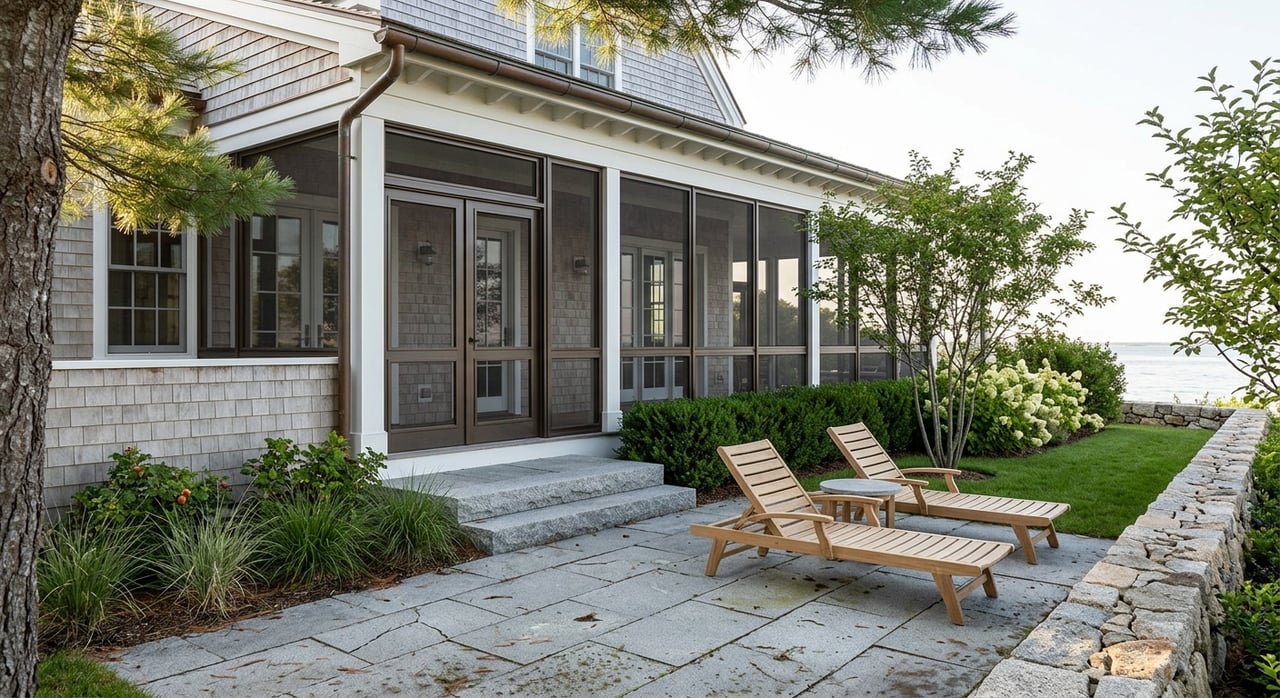
Thinking about a second home in Bar Harbor? You are not alone. This small coastal town offers a rare mix of waterfront living, walkable in-town conveniences, and direct access to Acadia National Park, but owning here also means adapting to a place with strong seasonal swings, limited summer parking, and an active local conversation about housing. If you are wondering what day-to-day ownership really feels like, this guide will help you picture the lifestyle, the logistics, and the questions worth asking before you buy. Let’s dive in.
Bar Harbor has a seasonal rhythm
Owning a second home in Bar Harbor feels very different in July than it does in January. The town is a year-round community, with an estimated 5,326 residents in 2024, but it also has a strong seasonal layer tied to tourism, second homes, and Acadia National Park.
That rhythm shapes everything from traffic patterns to how you plan a day out. In the warmer months, the town feels active and busy, while winter brings a quieter pace and a more local feel. If you want a home base that comes alive in summer but settles down in the off-season, Bar Harbor can be a strong fit.
Acadia shapes daily life
Bar Harbor’s lifestyle is closely tied to Acadia National Park, which receives more than 4 million visits a year. That popularity is a major reason the town has such a distinct second-home appeal, but it also means you need realistic expectations about crowding during peak season.
In summer, planning matters. Popular destinations can fill quickly, roads on Mount Desert Island are limited, and parking is often tight. For many owners, part of the appeal is being close enough to enjoy Acadia often, but part of the adjustment is learning when to go, where to park, and when to skip the car altogether.
Summer feels energetic and active
From late June through Columbus Day, the Island Explorer becomes part of everyday life for many residents and visitors. The free shuttle connects hotels, inns, campgrounds, village centers, trailheads, carriage-road entrances, and other park destinations.
If your second home is in or near town, this can make summer ownership much easier. You may be able to park once, walk to downtown errands or dinner, and use transit for park outings instead of fighting for a space at a busy trailhead.
Winter feels quieter and more flexible
The colder season offers a very different ownership experience. According to Acadia’s winter information, most of Park Loop Road is closed to vehicles from Dec. 1 to Apr. 14, with only limited sections maintained for driving.
That does not mean the park disappears. Carriage roads may still be used for walking, running, biking, snowshoeing, and skiing when conditions allow. But winter ownership is less about full vehicle access and more about enjoying a quieter setting with flexible expectations.
The housing stock leans residential
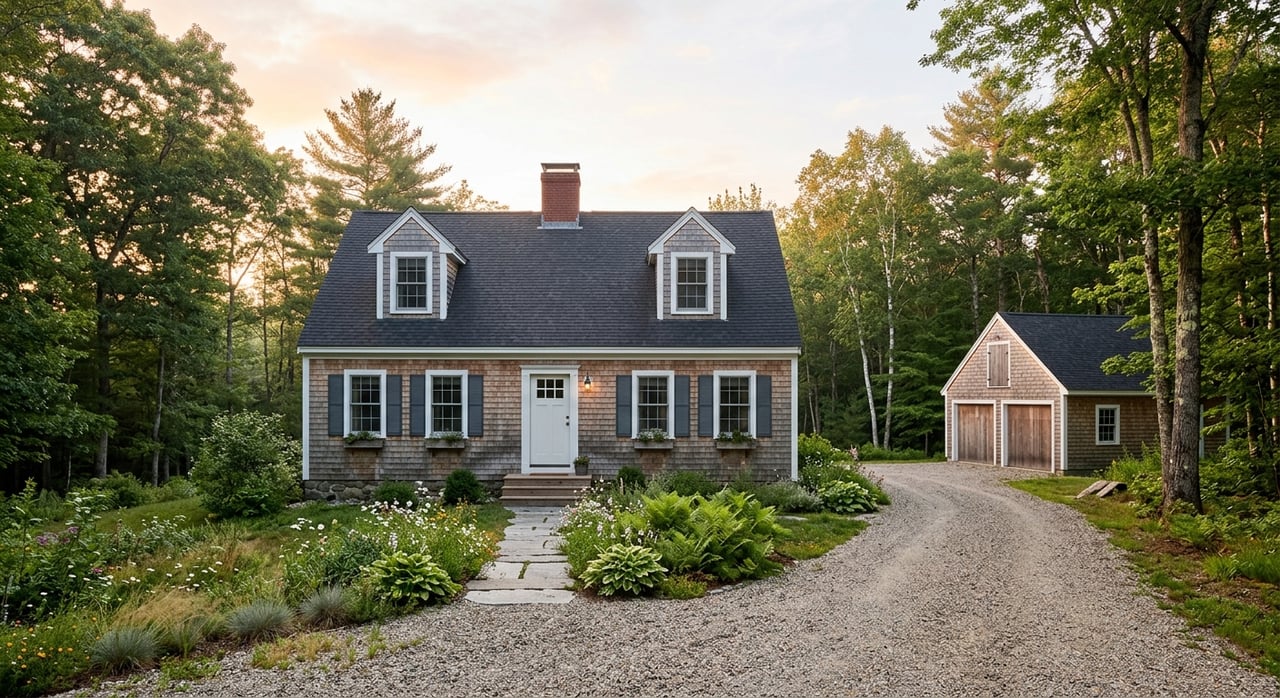
If you are picturing a detached house rather than a large condo tower, Bar Harbor’s housing mix may line up with that vision. The town’s housing analysis shows the market is heavily oriented toward single-family homes, with owner-occupied single-family units making up a very large share of occupied housing.
That matters for second-home buyers because the feel of the market is often more residential and low-density. Inventory may include cottages, traditional homes, and other detached properties rather than large-scale dense development. In a place like Bar Harbor, that housing pattern is part of the appeal.
Waterfront living is part of the experience
In Bar Harbor, coastal life is not just a weekend activity. The town harbor system supports moorings, docks, slips, ferry access, and waterfront use, making the harbor a real part of everyday local life.
If you enjoy boating, walking near the water, or simply being close to the shore, that connection is easy to feel here. The town also links residents and visitors to the waterfront, the Shore Path, and shellfish information, which reflects how closely daily routines connect to the harbor.
Tides affect everyday planning
One of the more distinctive parts of owning in Bar Harbor is learning to think with the tide. The Bar of Bar Harbor is a tidal land bridge that appears around low tide, and the town notes that tidal flow can reach up to 12 feet.
That means tide tables are not just for boaters. They can shape kayaking plans, walks, waterfront timing, and even vehicle access on the bar. For many second-home owners, that becomes part of the charm and part of the routine.
Downtown can be easy to enjoy
For a small coastal town, Bar Harbor offers a convenient village core. Public spaces like Harborview Park, Agamont Park, and Village Green place you close to the pier, public events, shops, restaurants, and water views.
That can make second-home ownership feel simpler, especially if you want outings that do not require a long drive. During the busier months, many owners enjoy being able to leave the car parked and spend time on foot downtown.
Travel is manageable, but planning helps
One reason Bar Harbor works for second-home buyers is that access is easier than some people expect. Hancock County-Bar Harbor Airport offers year-round nonstop service to Boston on Cape Air, and it sits between Ellsworth and Bar Harbor.
There is also regional bus service through Downeast Transportation, along with seasonal Island Explorer service on Mount Desert Island. If you expect to come and go often, or host friends and family, those connections can make ownership more practical.
Hosting guests takes some coordination
If your second home will be a gathering place for family and friends, guest planning matters here. Acadia requires vehicle reservations for Cadillac Summit Road from mid-May to mid-October, and visitors age 16 and older need a park entrance pass year-round.
In other words, a last-minute drive to one of the park’s best-known destinations may not always be simple in peak season. Owners who have the best experience usually plan ahead and help guests understand how seasonal access works before they arrive.
Renting the home is not automatic
Some second-home buyers hope to offset expenses with occasional rental income. In Bar Harbor, that is possible in some cases, but it is not something to assume without checking the rules first.
The town’s short-term rental regulations require annual registration before rental and inspections before a registration card is issued. The rules also define a VR-2 as a whole dwelling that is not the owner’s primary residence and requires a minimum stay of four nights.
If rental flexibility is important to you, this should be part of your early due diligence. You will want to understand not just whether a property appeals to you personally, but also how it fits the local registration and use framework.
The community context matters
Second-home ownership in Bar Harbor exists within a broader housing conversation. The town’s housing strategy makes clear that Bar Harbor is working to remain a vibrant year-round community, while also recognizing tension between seasonal and year-round housing needs.
That does not mean second-home buyers are not welcome. It means buyers should understand that housing here is part of a real community discussion about supply, affordability, and year-round use. Approaching a purchase with that awareness can help you make a more informed and respectful decision.
Who tends to enjoy it most
Bar Harbor is often a great match if you want a lively summer base with close access to the water and Acadia, and if you are comfortable with a big seasonal shift in traffic, transit, and park activity. It can also appeal to buyers thinking ahead to retirement, especially in a town where 25.1% of residents are age 65 or older.
The fit may be less natural if you want the same pace and access every month of the year. Here, part of ownership is embracing change by season. Many buyers love that contrast. Others prefer a more consistent mainland routine.
What to think through before you buy
A second home in Bar Harbor can be rewarding, but it usually works best when your expectations match the town’s rhythm. Before you move forward, it helps to think through a few practical questions:
- Do you want a home that is most active and convenient in summer?
- Are you comfortable with off-season changes in park access and road conditions?
- Would you rather be near downtown and the harbor, or in a quieter setting?
- Will you want to host guests who may need help planning park visits?
- Are you considering short-term rental use, and if so, have you reviewed the local rules?
- Do you want a primarily lifestyle-driven purchase, an occasional retreat, or a home that may support future retirement plans?
The right answers depend on how you plan to use the property, how often you will be in town, and what kind of second-home experience you want.
If you are considering a second home in Bar Harbor, working with a local broker can help you look beyond the photos and think through access, seasonality, use rules, and long-term fit. When you are ready for a practical conversation about coastal Maine real estate, connect with Laura Pellerano.
FAQs
What is daily life like in a Bar Harbor second home during summer?
- Summer in a Bar Harbor second home usually feels busy, active, and walkable, with strong access to downtown, the harbor, Island Explorer service, and Acadia, but also more traffic and limited parking in popular areas.
What is winter like for second-home owners in Bar Harbor?
- Winter in Bar Harbor is much quieter, with reduced vehicle access on much of Acadia’s Park Loop Road and a more flexible, low-key pace for enjoying town and outdoor spaces.
Can you rent out a second home in Bar Harbor?
- A Bar Harbor second home may be eligible for short-term rental use, but the town requires annual registration and inspections, so you should review the local rules before assuming rental income is an option.
Is Bar Harbor easy to reach for a second-home owner?
- Bar Harbor is relatively accessible for a coastal second-home market, with year-round nonstop air service between Hancock County-Bar Harbor Airport and Boston, plus regional bus connections.
What type of property is common in the Bar Harbor housing market?
- Bar Harbor’s housing stock is largely made up of single-family homes, so buyers often find a market that feels more residential and low-density than one centered on large multifamily development.
Who is Bar Harbor a good fit for as a second-home market?
- Bar Harbor is often a strong fit for buyers who want a coastal home base near Acadia, enjoy a lively summer season, and are comfortable with clear seasonal shifts in traffic, transit, and park access.