If you are thinking about buying in Ellsworth, one of the first questions is simple: what kind of everyday life do you want your home to support? In a city that blends a historic downtown, busy commuter corridors, and wide rural spaces, the right fit often has less to do with price alone and more to do with how you want to live day to day. This guide will help you compare Ellsworth’s main area types, understand the home styles you are most likely to find, and narrow in on what feels practical for your routine. Let’s dive in.
How to Think About Ellsworth Areas
Ellsworth is a small but growing regional service center in Hancock County, with an estimated population of 8,822 in July 2024, up from 8,399 in 2020, according to the U.S. Census Bureau. The city’s planning documents describe it as the county’s primary economic center and a gateway to Acadia, which helps explain why traffic, commuting, and seasonal activity play such a big role in daily life.
For buyers, a practical way to compare Ellsworth is to think in three broad categories: intown and downtown, corridor and subdivision areas, and rural and lake properties. That framework lines up with the city’s zoning map and comprehensive planning documents, and it gives you a more useful picture than trying to force the city into rigid neighborhood labels.
Downtown Living in Ellsworth
Downtown Ellsworth is the city’s walkable core. The comprehensive plan describes downtown as the heart of the city, with a compact riverfront setting designed for walking, biking, and transit access.
If you want shorter trips and a more connected daily rhythm, this is the area that stands out most. Main Street is lined with shops, galleries, restaurants, offices, and public spaces, while downtown features like the Union River waterfront and the Grand Theatre area add to the sense of activity.
What Homes Feel Like Intown
In and around downtown, you are more likely to find older homes and buildings with historic character. The city’s historic sites and landmarks guide shows that State Street, Main Street, and nearby areas include many of Ellsworth’s designated historic sites, including City Hall, the Public Library, the Old Hancock County Courthouse, and several historic houses.
That does not mean every home is a landmark, but it does mean buyers often encounter older architectural vocabulary here. Examples tied to Ellsworth’s historic core include Federal, Greek Revival, and Colonial Revival influences, as shown through local historic properties documented by the Ellsworth Public Library’s historical collections.
Who Downtown Often Fits Best
Downtown and nearby intown streets can make sense if you value:
- walkability for errands and outings
- older homes with more history and character
- access to public spaces and trails
- a location that feels connected to the city center
The tradeoff is that intown living may come with less privacy, tighter lot lines, and more activity around you, especially in a city shaped by tourism and regional traffic.
Ellsworth Falls and the Trail Connection
Ellsworth Falls has a slightly different feel from the commercial core while still staying tied to town. According to Heart of Ellsworth trail information, the Ellsworth Trail offers a flat, paved, traffic-free connection between Ellsworth Falls and Downtown Ellsworth.
For many buyers, that creates a useful middle ground. You may get an in-town feel and trail access without being right in the busiest downtown setting.
Why This Area Appeals to Buyers
If your routine includes walking, biking, or simply wanting quick access into town, Ellsworth Falls is worth a closer look. It can suit buyers who want convenience and a quieter setting, especially compared with streets that sit directly in the commercial center.
This is also a good reminder that location in Ellsworth is not just about a name on a map. It is about how your route to downtown, trails, errands, and commuting actually works in real life.
Corridor Areas and Newer Development
Outside the downtown core, Ellsworth expanded along major transportation routes. The city’s comprehensive plan notes growth patterns along Route 1A, High Street, Main Street, Union Street, Bucksport Road, and Surry Road, where commercial development and subdivisions became more prominent.
These areas are often the most practical to compare if you want easier parking, quick access to errands, and housing that may feel newer than the historic core. The same planning documents show that corridor-adjacent areas can include single-family homes, townhouses, apartment buildings, cottage courts, neighborhood retail, and professional offices.
What Homes Look Like Here
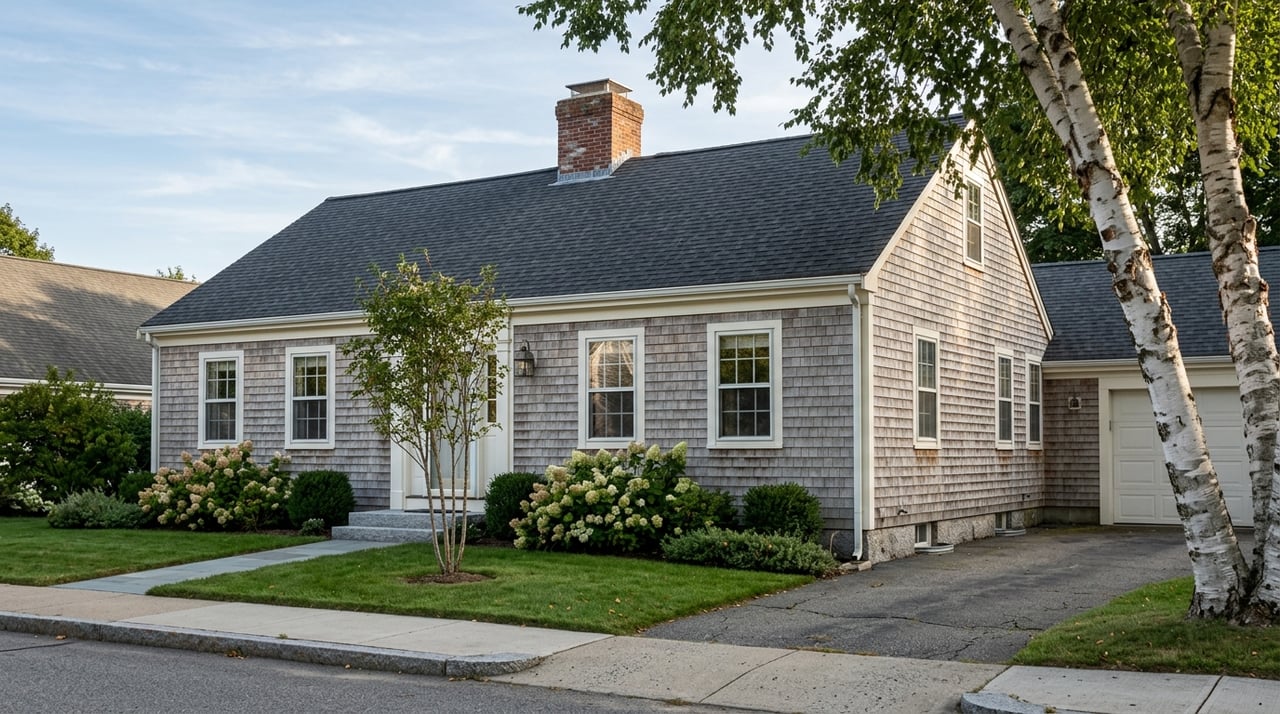
This is often where you will see newer or newer-feeling subdivision housing. Ellsworth’s 2024 housing study notes ongoing demand for smaller-scale detached homes and cluster subdivisions, which can appeal if you want a modest lot and a lower-maintenance footprint.
These homes may not have the same historic details as intown properties, but they can offer layouts and lot configurations that feel more aligned with modern routines. If parking, road access, and straightforward upkeep matter to you, these areas deserve attention.
What to Watch for on Busy Routes
The same convenience that makes corridor areas attractive can also bring more traffic exposure. Ellsworth’s 2025 road project notice references work on Routes 1, 1A, and 3, as well as High Street, Bucksport Road, Surry Road, and Washington Junction Road, which highlights how central these routes are to everyday travel.
If you are considering a home in one of these areas, it helps to ask practical questions like:
- How busy is this road in summer?
- Is the home tucked into a subdivision or directly exposed to through traffic?
- How easy is it to reach groceries, work, or appointments from here?
Rural and Lake-Area Living
A large share of Ellsworth is rural, and this part of the market offers a very different lifestyle. The city’s comprehensive plan describes rural areas as places with one- to two-story single-family homes on large lots, often surrounded by forest, open space, or farmland.
If your priority is privacy, elbow room, and a quieter pace, rural Ellsworth may be the strongest match. In daily life, though, that usually means more driving and less walkability.
What Buyers Should Know About Lake Areas
Areas around Branch Lake, Green Lake, and Graham Lake fall within rural conservation zones that are more restrictive because of water-quality concerns, according to the city’s planning documents. That makes due diligence especially important if you are looking at property near a lake.
Rural village areas are a bit different. The city describes them as small centers intended to give rural residents some retail and gathering space without requiring every errand to happen downtown.
Who Rural Properties Often Suit
Rural and lake-area properties often make the most sense if you want:
- larger lots
- more distance from neighbors
- a quieter setting
- a more rural home style and pace of life
The tradeoff is convenience. A property can feel peaceful and still require a longer drive for daily needs, services, or appointments.
Common Home Types in Ellsworth
Ellsworth is not a one-style housing market. According to the city’s housing study, about 67% of homes are detached single-family, 22% are multifamily, 4% are attached single-family or duplexes, and 6% are mobile homes.
That means detached homes dominate the market, but buyers still have real variety. Depending on where you look, you may find an older in-town house, a townhouse or apartment-style option near a corridor, or a single-family home on a large rural lot.
Age of Housing Matters Too
The same housing study says Ellsworth’s median year-built range is 1970 to 1979. It also notes that about 20% of housing was built between 2000 and 2009, and 7.3% has been built since 2010.
In practical terms, many buyers will see three broad patterns:
- older homes near downtown and the historic core
- newer or newer-feeling homes in subdivision and corridor areas
- rural homes with more separation and land
That helps explain why two homes in Ellsworth can feel very different even if they are only a short drive apart.
Everyday Life Factors to Compare
A home can look right on paper and still feel wrong for your routine. In Ellsworth, lifestyle fit often comes down to how you handle transportation, budget, and the balance between convenience and space.
Getting Around Ellsworth
Most daily travel still happens by car, but regional transportation does exist. Downeast Transportation provides shopping trips to Bar Harbor and Ellsworth, five-day-a-week bus service between Bar Harbor and Bangor, commuter service to Jackson Laboratory, and midday shuttles in Bucksport, Bar Harbor, and Ellsworth.
That can make Ellsworth more practical for regional commuters than some buyers expect. Still, your daily experience will likely depend heavily on your road access and how often you need to be in surrounding communities.
Public Amenities and Services
Downtown has the strongest concentration of walkable amenities. In addition to Main Street businesses and the waterfront, local resources include the Riverwalk, Harbor Park, Woodlawn trails, and the Historic State Street walking tour, based on information from Main Street Maine and Heart of Ellsworth.
The city’s comprehensive plan also states that Ellsworth’s school system includes Ellsworth Elementary-Middle School, Ellsworth High School, Hancock County Technical Center, and Ellsworth Adult & Community Education. For many households, understanding where those facilities sit in relation to a home is part of narrowing down the right location.
Budget Pressures in the Market
Budget is an important part of the conversation in Ellsworth. The city’s housing study reports that median home value rose from $179,000 in 2012 to $196,700 in 2022, while median home prices increased sharply over time, including a jump from $185,000 to $246,000 between 2019 and 2020.
The same study also notes that about 79% of households could not afford the median home price in 2023, and median rent for a two-bedroom unit rose from $911 in 2015 to $1,638 in 2020. For buyers, that makes it even more important to focus on fit, tradeoffs, and long-term practicality instead of chasing a perfect version of every feature.
Questions to Ask Before You Choose
When you tour homes in Ellsworth, try to go beyond the listing sheet. A smart decision usually comes from understanding how the property works with your everyday schedule.
Here are a few useful questions to ask:
- Is this address truly walkable, or just technically in town?
- Is the home best described as downtown, corridor, or rural?
- What type of housing is most common nearby?
- How much seasonal traffic does this street see?
- If the property is rural or near a lake, how much driving will daily errands require?
- If the home is older, are there any historic-preservation considerations to review?
Choosing the Right Fit for Everyday Life
In Ellsworth, the best home is not just the one with the right number of bedrooms or the nicest photos. It is the one that supports your routine, your budget, and the kind of setting you want to come home to each day.
Downtown may suit you if you want walkability and older character. Corridor areas may work best if convenience and easier parking matter most. Rural Ellsworth may be the right answer if privacy, land, and a quieter pace lead your list.
If you want help sorting through Ellsworth’s area types, home styles, and real-world tradeoffs, Laura Pellerano offers the kind of steady, local guidance that can make your search clearer and more confident.
FAQs
What are the main neighborhood types in Ellsworth, Maine?
- Buyers can think of Ellsworth in three broad categories: downtown and intown areas, corridor and subdivision areas, and rural or lake-area properties.
What kinds of homes are most common in Ellsworth, Maine?
- Detached single-family homes are the most common, making up about 67% of the housing stock, but buyers will also find multifamily properties, duplexes, and mobile homes.
What is downtown Ellsworth like for everyday living?
- Downtown Ellsworth is the most walkable part of the city, with shops, restaurants, public spaces, riverfront access, and older homes near the historic core.
What should buyers know about rural properties in Ellsworth, Maine?
- Rural properties in Ellsworth often offer larger lots, more privacy, and a quieter setting, but they usually require more driving for errands and services.
Are newer homes available in Ellsworth, Maine?
- Yes, buyers can often find newer or newer-feeling homes in corridor and subdivision areas, especially along major routes such as Route 1A, High Street, and Surry Road.
What everyday-life factors matter most when buying in Ellsworth?
- Transportation, seasonal traffic, walkability, property setting, and budget are some of the biggest factors to compare when choosing the right fit in Ellsworth.