Thinking about a move to Orland? It can be a smart choice if you want more space, a detached home, and a quieter setting without cutting yourself off from the rest of Hancock County. At the same time, Orland is not the right match for every buyer, especially if you want walkability, a wide range of rental options, or easy access to dense town-center living. This guide will help you weigh the tradeoffs, understand how Orland fits into the broader region, and decide whether it lines up with the way you want to live. Let’s dive in.
What Orland feels like
Orland is a small town in Hancock County with a 2020 population of 2,221. The town was incorporated in 1800, and its long-term planning documents show a strong focus on preserving rural, historical, and natural resources while supporting a viable local economy.
If you are looking for a small-town setting, that matters. Orland is smaller than nearby service centers like Ellsworth and Bucksport, and it sits in a more rural, lower-density tier of the region. In practical terms, you get a quieter landscape and a less built-up environment, while still staying connected to the same broader shopping and commuting network.
Why buyers consider Orland
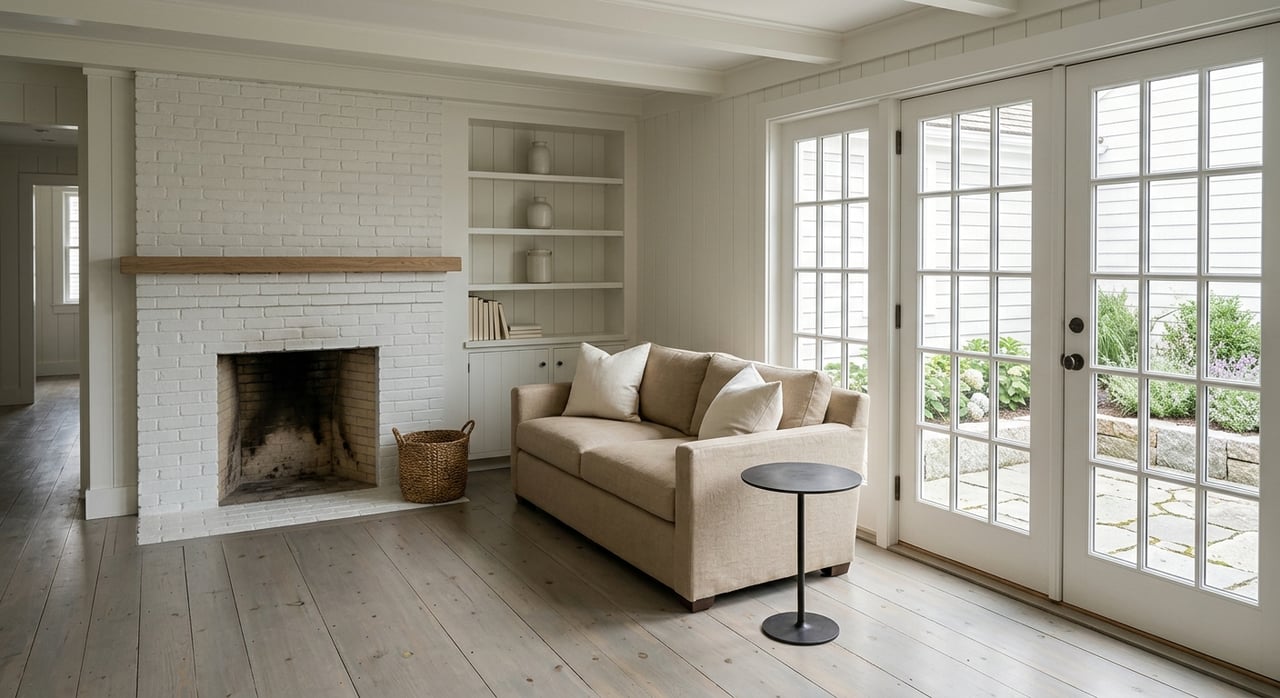
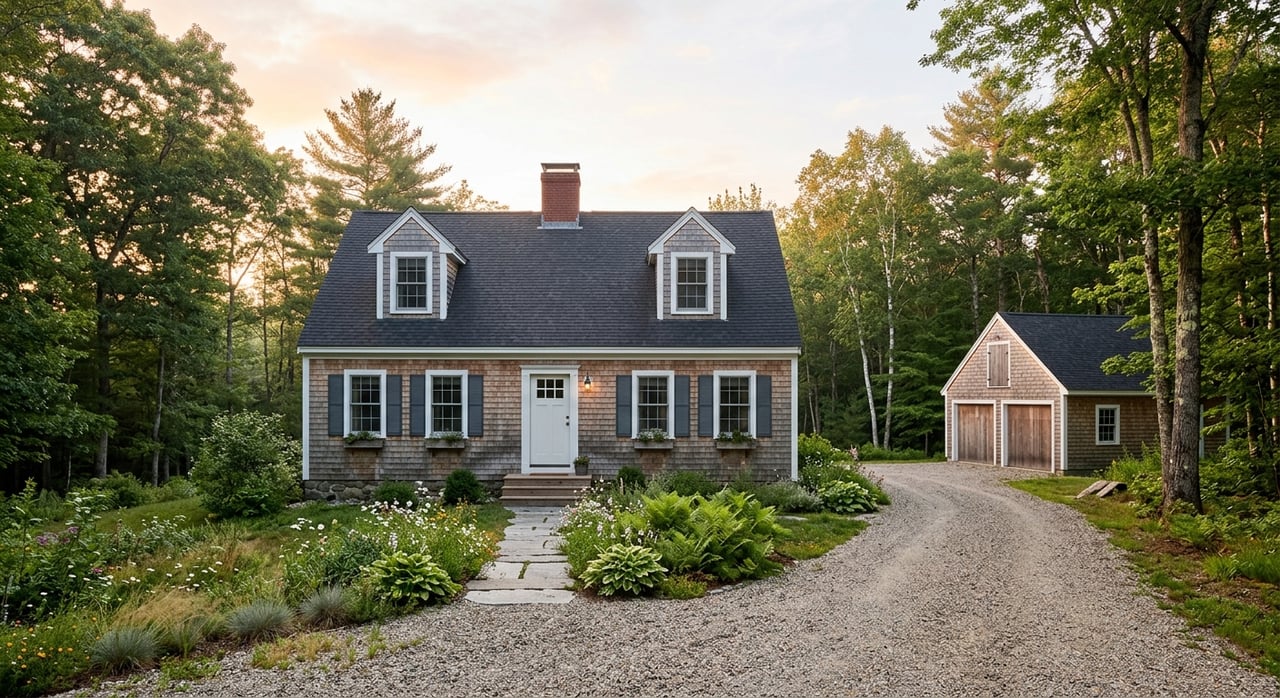
For many buyers, the appeal starts with space and setting. Orland’s housing stock is heavily oriented toward detached homes, and the town has a strong lakes, woods, and rural character that stands out even within Eastern Maine.
The town’s planning documents also point to community resources that support an outdoor lifestyle. These include boat launches on Alamoosook Lake and Craig Pond, a launch at Toddy Pond, the Orland Community and Fitness Center, Orland River Day, and the Great Pond Mountain Conservation Trust’s Wildlands, which spans more than 4,500 acres.
If your ideal day involves time outside, a drive instead of a crowded corridor, and a home with some breathing room, Orland may feel like a natural fit. Buyers who want a primary home with land, a lake-country feel, or a manageable commute to nearby job centers often find it worth a closer look.
Orland housing: mostly detached homes
One of the clearest things about Orland is the type of housing you are likely to find. The town reports that its housing inventory is overwhelmingly made up of single-family homes, with a smaller share of mobile homes and very little duplex or multi-family stock.
In 2019, Orland counted 1,075 year-round residential units. Of those, 882 were single-family homes, 178 were mobile homes, and just 15 were multi-family units. There were also 341 seasonal residential units.
That mix shapes your search. If you want a detached home, Orland gives you more of that product type than a town built around apartment buildings, condos, or dense in-town neighborhoods. If you need broad rental choices or higher-density housing, your options may be more limited.
A market with homes from many eras
Orland’s housing stock spans a wide range of construction periods, from older homes dating back to the 1700s through homes built in the 2011 to 2020 period. The local inventory includes 101 homes in that newest bucket.
That means your search may include everything from older properties with historic character to newer homes with a more current layout. It also means condition, systems, and maintenance can vary widely from one property to the next, which makes local guidance and careful due diligence especially important.
Rentals are a smaller part of the market
If you are hoping to rent before you buy, or if you need a larger rental inventory, Orland may feel tight. The town reports that about 14% of occupied dwellings were rentals in 2010, compared with 24% across Hancock County.
That does not mean rentals are unavailable. It does mean they make up a smaller share of the housing landscape here, so buyers or renters looking for flexibility may want to plan early and keep their options broad.
Affordability: what the data tells you
Historically, Orland has been more affordable than Hancock County overall. The town’s comprehensive plan cites a 2019 median single-family home price of $147,050 in Orland, compared with $229,500 countywide.
That said, the same plan notes that home prices across Maine rose sharply after 2020. So those figures are best used as a baseline for understanding Orland’s long-term relative position, not as a current snapshot of active pricing.
The larger takeaway is still useful. Compared with some nearby areas, Orland has historically offered a more accessible entry point for buyers who want a detached home in Hancock County. If value is part of your decision, that may put Orland on your shortlist.
Commuting from Orland
Orland functions more as a residential base within the region than as a standalone employment center. The town reports that only 15.4% of residents worked in Orland, while many commuted to Bucksport, Bangor, Ellsworth, Trenton, Blue Hill, and Castine.
That commuting pattern helps explain who often does well here. If you are comfortable driving to work, shopping, or services, Orland can offer a quieter home base while keeping those destinations within reach.
Roads and travel patterns
The road network centers on U.S. Route 1 and 3, also called Acadia Highway, along with Route 15. Route 15 connects Blue Hill to Route 1 in Orland, and Route 1 and 3 carries traffic toward Ellsworth.
The town also identifies traffic-safety concerns on Acadia Highway. That is worth keeping in mind if your daily routine depends on frequent regional travel.
This is a car-first town
About 73% of residents drove alone to work in 2010, according to the town plan. Transit options are limited, and Orland does not have rail, air, or a multimodal transportation hub.
Some senior-oriented bus, van, volunteer-driver, and taxi options do exist, but most households should expect to rely on a car for daily life. If you want a place where you can do most errands on foot or count on robust public transit, Orland may not check that box.
Lifestyle tradeoffs to think through
Every town has strengths and tradeoffs, and Orland is no different. Its advantages are closely tied to its rural setting, and its limitations often come from that same character.
Here is a simple way to think about it:
| If you want... | Orland may fit if... |
|---|---|
| More space | You prefer detached homes and a lower-density setting |
| Outdoor access | You enjoy lakes, boat launches, and conservation land |
| Regional access | You are comfortable driving to nearby job and shopping centers |
| Walkability | You do not need an extensive sidewalk network |
| Dense housing choices | You are not relying on condos, apartments, or broad rental inventory |
| Transit | You expect to use a personal vehicle most of the time |
The town plan notes there is only one sidewalk in the village area, narrow road shoulders, and no public saltwater boat launch. For some buyers, those details are minor. For others, they are key decision points.
Who is Orland usually a good fit for?
Orland tends to make sense for buyers who want a detached-home market, a quieter setting, and practical access to regional destinations. If you work in Bucksport, Ellsworth, Bangor, or nearby communities and do not mind a drive, Orland can offer a nice balance of rural character and regional connection.
It can also appeal to buyers who want some seasonal or lake-country atmosphere without focusing on denser coastal-town living. If your priorities include land, privacy, outdoor recreation, and a less built-up environment, Orland deserves a look.
When Orland may be less ideal
Orland may be less ideal if your daily life depends on walkability, broad apartment or condo inventory, or strong public transportation. It may also be less appealing if immediate saltwater boating access is a must, since the town does not have a public saltwater boat launch.
This does not make Orland better or worse than nearby towns. It simply means the fit depends on how you live, what you need nearby, and what tradeoffs you are willing to make.
What to consider before you move
Before you decide whether Orland is right for your next move, it helps to think through a few practical questions:
- Do you want a detached home more than you want in-town convenience?
- Are you comfortable relying on a car for work, errands, and activities?
- Would a smaller rental and multi-family inventory affect your plans?
- Do you want access to lakes, conservation land, and rural scenery?
- Are you comparing Orland with places like Ellsworth, Bucksport, Blue Hill, or Bar Harbor for a different mix of density and services?
Your answers can quickly clarify whether Orland fits your lifestyle now, not just on paper.
Why local guidance matters here
In a market like Orland, the right home is often about more than square footage and price. Housing type, road access, commute patterns, and the property’s setting can all shape whether a home works for you long term.
That is where experienced local guidance becomes valuable. When you are comparing a rural property, a seasonal-use option, or a home with a regional commute, clear advice can help you focus on the details that matter most for your goals.
If you are weighing Orland against other Eastern Maine communities, Laura Pellerano can help you compare options, understand the local context, and move forward with confidence.
FAQs
Is Orland, Maine a good place for buyers who want a detached home?
- Yes. Orland’s housing stock is heavily made up of single-family homes, with limited multi-family inventory.
Is Orland, Maine a walkable town for daily errands?
- Orland is generally a car-first community. The town reports very limited pedestrian infrastructure, including only one sidewalk in the village area.
Is Orland, Maine known for rentals or apartments?
- Not primarily. Rentals make up a smaller share of the housing market in Orland than in Hancock County overall, and multi-family housing is limited.
Is Orland, Maine a good fit for commuters?
- It can be. Many residents commute to places like Bucksport, Bangor, Ellsworth, Trenton, Blue Hill, and Castine, so Orland often works best for buyers who are comfortable driving.
What kind of lifestyle does Orland, Maine offer?
- Orland offers a rural, water-and-woods setting with access to local boat launches, community events, a fitness center, and conservation land.
Is Orland, Maine right for buyers who want coastal-town density?
- Usually not. Buyers who want dense housing, stronger walkability, broad transit options, or a larger town-center environment may prefer a different nearby community.