If you are looking for a coastal Maine town that feels lived-in year-round, Blue Hill stands out. It offers a village center with daily conveniences, strong arts and music traditions, and meaningful access to the water without feeling like a resort-first destination. If you want to understand what everyday life here can actually look like, this guide will walk you through the pace, amenities, outdoor options, and housing character that shape Blue Hill. Let’s dive in.
What Blue Hill feels like day to day
Blue Hill is a small town with 2,813 residents spread across 62.5 square miles, which gives it a very different feel from a denser downtown community. According to Census Reporter’s Blue Hill profile, the town also has 1,962 housing units, a median age of 48.6, and a median owner-occupied home value of $399,500.
That larger footprint matters in daily life. You may find a home close to the village center, or you may live in a more rural or shoreline setting where drives are part of the routine. Blue Hill is not one single experience, which is part of what makes it appealing to a wide range of buyers.
The Blue Hill Peninsula Chamber describes Blue Hill as the peninsula’s largest town and service center. In practical terms, that means errands, food shopping, arts, music, and community services tend to gather here, even for people who live in nearby towns.
Village center and errands
Blue Hill’s center has a historic, small-scale layout rather than a newer highway-commercial feel. The Blue Hill Historic District sits at the junction of Routes 15, 172, and 177 and includes buildings that date back before 1820, which helps explain the established streetscape and village character.
For everyday errands, many destinations cluster around Main Street and nearby roads. The chamber’s shopping directory lists businesses such as Blue Hill Co-op, Blue Hill Cyclery, Blue Hill Books, Mainescape Garden Shop, Saplings Toy and Gift, MAE, galleries, and specialty shops.
That concentration makes the center feel practical as well as charming. You can take care of some daily needs in one area, then stop at the library or spend time in a nearby public space without needing to cross a large commercial district.
The Blue Hill Public Library and town-maintained public spaces add to that rhythm. The town maintains Water Street Town Park, Horton Emerson Park, AA Fields, and Gordon Emerson Auditorium, and park guidelines note that public parks are open from dawn to dusk.
Is Blue Hill walkable?
For some buyers, this is one of the biggest questions. The most accurate answer is that Blue Hill is walkable in parts, especially around the village core, but it is not fully pedestrian in the way a larger, denser downtown might be.
Because shops, public spaces, and services are concentrated in the historic center, some day-to-day trips can be done close to Main Street. At the same time, the town’s overall size and low density mean many residents still rely on a car for at least part of daily life.
That balance is often exactly what draws people here. You can enjoy a village atmosphere and still have access to larger lots, rural roads, or shoreline settings depending on where you choose to live.
Farmers market and local rhythm
Everyday living is not only about where you run errands. It is also about the routines that help a place feel connected, and Blue Hill has that in its weekly market season.
The Blue Hill Farmers’ Market runs on Saturdays from Memorial Day weekend through Columbus Day weekend at the fairgrounds on Ellsworth Road. For many residents and visitors, that creates a recurring pattern of local shopping, social connection, and seasonal food.
This kind of weekly rhythm can shape how a town feels more than a headline attraction does. In Blue Hill, the pace is grounded in regular community use rather than one-time tourist activity.
Arts and music are part of daily life
One of Blue Hill’s biggest surprises for first-time visitors is how much culture is packed into a small town. The chamber highlights the region’s strong art, music, and food scene, and Blue Hill is home to several organizations that give that identity real depth.
Kneisel Hall is one of the area’s best-known cultural anchors. It traces its roots to 1902, has described itself as a major part of chamber music teaching in America, and says its mission is to enrich the cultural life of the surrounding community. Its 2026 season runs from July 3 through August 30 and includes more than 50 performance opportunities.
Blue Hill also has year-round musical resources. Bagaduce Music operates from South Street and describes its mission as collecting, preserving, and lending printed music while promoting performance and music education. It reports a collection of more than one million sheets of music and public hours on Tuesday, Wednesday, and Friday from 10 a.m. to 4 p.m.
Another part of the local calendar is Blue Hill Bach, whose 2026 Summer Festival runs July 12 to 18 with concerts presented across the peninsula. The Blue Hill Public Library also hosts regular programs, including storytimes and student art programming, which supports a sense of year-round community activity.
Water access in Blue Hill
Blue Hill’s connection to the water is real, but it helps to understand how it works before you buy here. This is not a place where public waterfront access is unlimited or effortless. It is a working, managed coastal environment where conditions and capacity matter.
The town says there are more than 600 mooring and outhaul locations in Blue Hill’s tidal waters, and the Marine Resources Committee and moorings information show how closely the town manages wharves, mooring fields, tie-up areas, waterways, and harbors.
The town’s water-access rules state that boat-launching ramps and floating-dock facilities at town wharves are open to the public regardless of residence. At the same time, the town’s planning materials note there are only two public boater access sites, both with limited capacity, and that conditions such as tides and parking can affect use.
For buyers who want direct, simple boating access at all times, that is an important practical detail. For others, the managed and tide-aware nature of access is simply part of living on this stretch of coast.
Trails and outdoor recreation
Blue Hill’s outdoor life goes well beyond the harbor. If you enjoy walking, hiking, paddling, or spending time outside close to town, there are several options that support an active lifestyle.
Blue Hill Heritage Trust’s Peters Brook and Penny’s Preserve system includes about 5 miles of trails and the AB Herrick Memorial Landing, a historic public access point to Peters Cove that the trust says works for kayaks, small boats, and mid-to-high-tide swimming.
The trust also maps trails that connect through the village area, which adds another layer to daily life in town. If you like places where you can combine a village errand with a walk nearby, Blue Hill offers that in a meaningful way.
For elevation and views, Blue Hill Mountain is close at hand. The Blue Hill Mountain trail map lists the Osgood Trail at about 0.9 miles to the summit and the Post Office Trail as a 1-mile route to Blue Hill Village.
Housing character and buyer fit
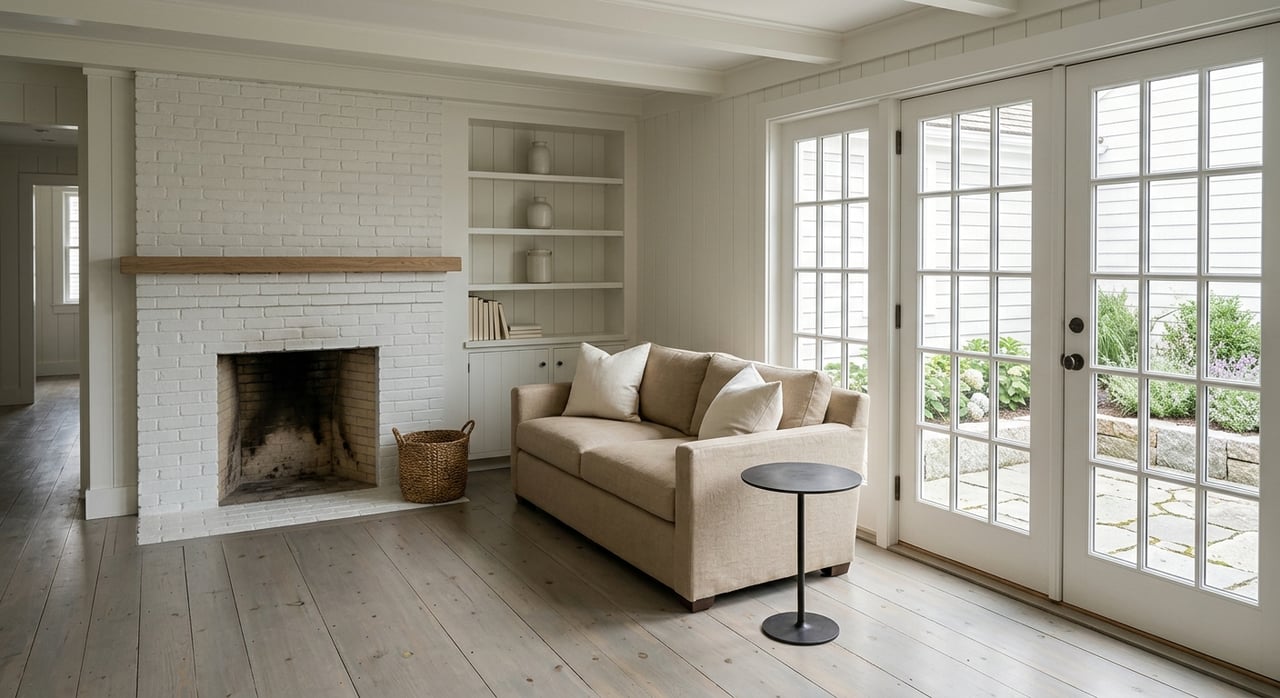
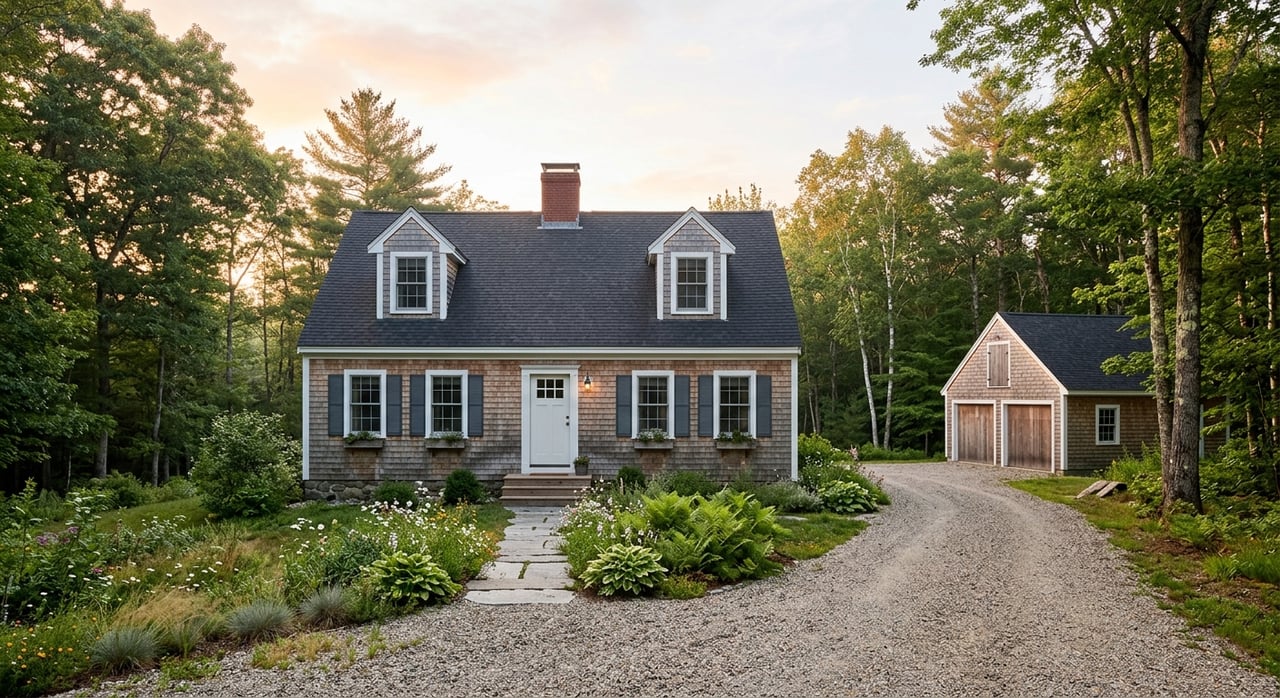
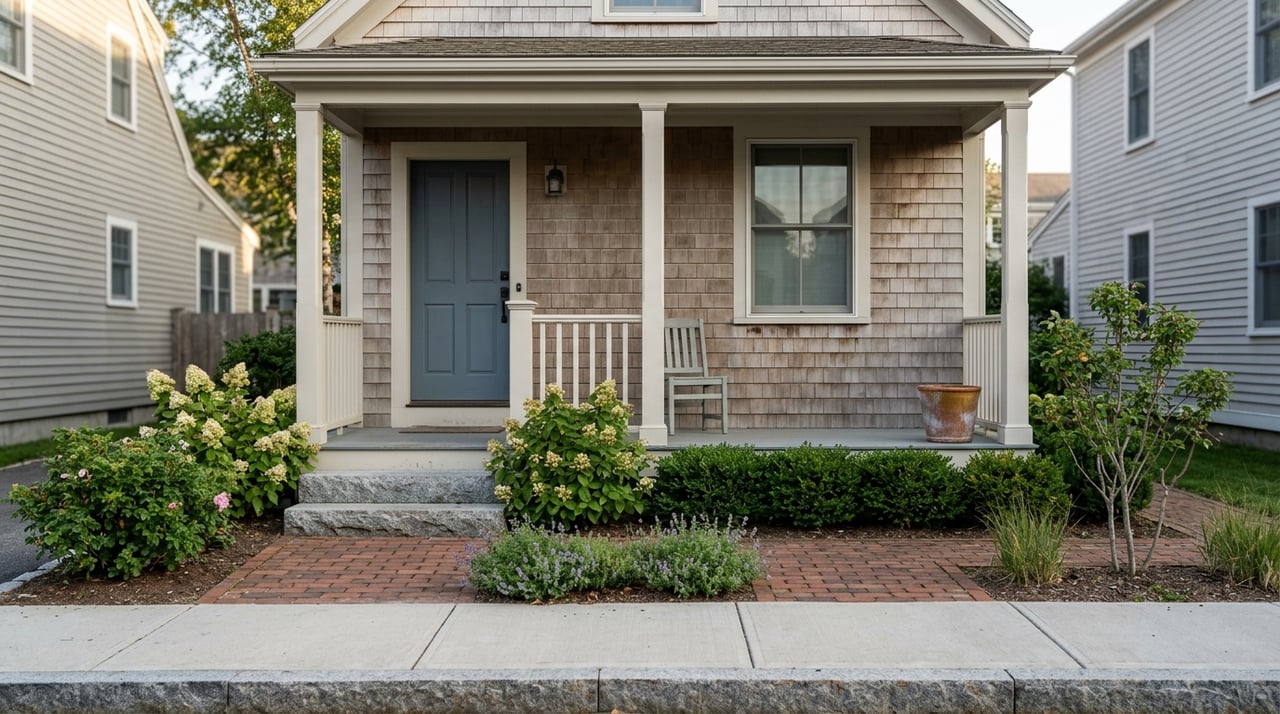
Blue Hill’s housing stock is shaped more by age, setting, and location than by large-scale new development. In and near the center, the historic district reflects an older architectural base with early buildings and a long-established village pattern.
That older housing character can be a plus if you are looking for a home with architectural detail, a settled neighborhood feel, or close access to the village core. It can also mean that buyers should expect variation in age, layout, and property features rather than a uniform set of newer homes.
Because the town covers a wide area, Blue Hill can also offer a very different experience outside the center. Depending on the property, you may find yourself in a more private rural setting, a shoreline location, or a home base that prioritizes land and quiet over walkability.
For many buyers, Blue Hill is a strong fit if you want:
- A year-round coastal town with real daily amenities
- A village center that feels established and useful
- An active arts and music scene
- Water access that feels authentic and local
- A choice between village, rural, and shoreline settings
The tradeoffs are just as important to understand. Public boating access is limited and tide-aware, and homes in and near the village core often reflect older housing stock rather than new-build inventory.
Why Blue Hill appeals to so many buyers
Blue Hill tends to attract people who want more than a pretty view. They want a place where they can pick up groceries, attend a performance, stop by the library, walk a trail, and still feel connected to the coast in an everyday way.
That combination is not easy to find. Some towns offer scenery without much year-round activity, while others offer convenience without much local character. Blue Hill sits in a middle ground that many buyers find compelling.
If you are considering a move here, the key is to match the property to the lifestyle you actually want. A home near the village will feel very different from one farther out on a rural road or near the shore, even though both may share the same Blue Hill address.
If you want help thinking through that decision, Laura Pellerano offers clear, local guidance for buyers and sellers across Blue Hill and Eastern Maine’s coastal communities.
FAQs
What is everyday life like in Blue Hill, Maine?
- Blue Hill offers a year-round coastal lifestyle with a historic village center, daily errands, arts and music programming, public spaces, and access to trails and the water.
Is Blue Hill, Maine walkable for daily errands?
- Parts of Blue Hill, especially the village core, are walkable for some errands and local destinations, but many residents still use a car because the town covers a large, low-density area.
What cultural amenities are available in Blue Hill, Maine?
- Blue Hill is home to organizations and programs such as Kneisel Hall, Bagaduce Music, Blue Hill Bach, and library events that support a strong arts and music presence.
Does Blue Hill, Maine have public water access?
- Yes, Blue Hill has public wharf access and boat-launching facilities open regardless of residence, but capacity, parking, and tides can affect how and when those access points are used.
What kind of homes can you find in Blue Hill, Maine?
- Blue Hill includes older homes in and near the village center as well as rural and shoreline properties across a larger town footprint, so housing options can vary quite a bit by location.